How Do I Choose the Right Window Film for My Home in Abu Dhabi?
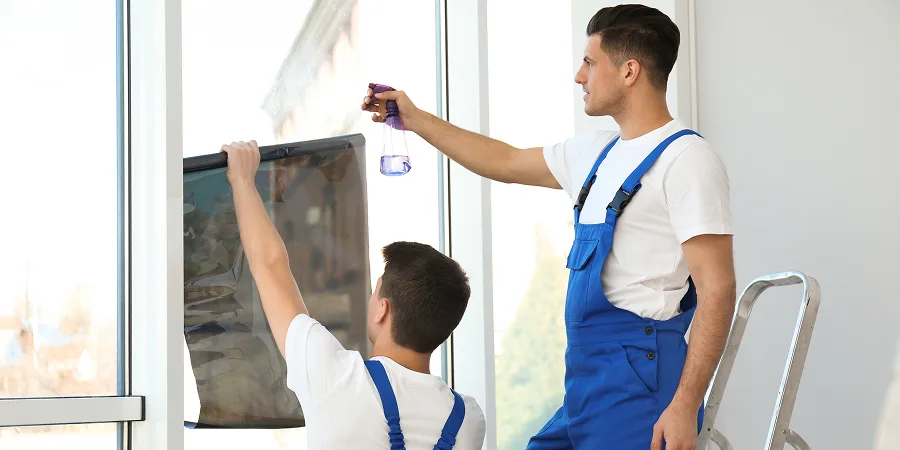
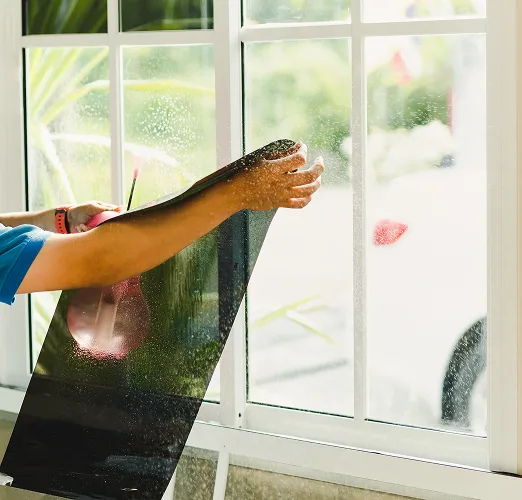
If you live in Abu Dhabi, you already know what happens to west-facing rooms between 2 PM and sunset from May through October. The air conditioning runs constantly, the floor near the window is noticeably hotter than the rest of the room, and the furniture closest to the glass has started to look faded and tired. Home window tinting isn’t a luxury upgrade in this climate. It is one of the most practical modifications a homeowner can make, and it pays for itself faster than most people expect. By the end of this article, you’ll know which film type suits each room in your home, what realistic installation costs look like in Abu Dhabi in 2026, and exactly what to look for in an installer before you sign anything.
Why Abu Dhabi Homes Are Losing the Battle Against Heat and UV
The problem is not just the temperature outside. It is the physics of standard glass and what happens when direct UAE sun hits it for six to eight hours a day. Standard glass transmits most visible and UVA radiation, and thus significant solar energy, while blocking only a portion of UVB, meaning the full force of the sun enters your home largely unimpeded. Understanding this makes every film choice easier and every cost comparison more precise.
How Solar Heat Gain Through Glass Increases Cooling Costs
Standard float glass blocks very little solar energy on its own. In Abu Dhabi, where ambient temperatures regularly exceed 45°C and west-facing rooms receive intense afternoon sun for hours each day, floors, furniture, and walls absorb incoming solar energy and release it as heat, placing a significant burden on your cooling system. Research suggests that glass-related solar gains can represent a substantial portion of a room’s cooling load, with the exact share scaling with glazing area and orientation.
High-performance residential heat-reduction film changes that equation significantly. Nano-ceramic film can reject 65, 79% of total solar energy hitting the glass, which translates to a 20- 35% reduction in cooling demand under typical UAE conditions. To put that in practical terms: if your summer electricity bill runs AED 1,500 per month and cooling represents around 65% of that (roughly AED 975), a quality solar control film on your most exposed windows could reduce your cooling spend by approximately AED 195- 340 per month. Payback timelines vary by property type: apartments with concentrated glazed areas commonly reach payback in around 12- 24 months, while larger villas typically sit in the 2- 4 year range depending on total glazing area and sun exposure.
UV Damage, Glare, and Fading: The Slow Costs Most People Ignore
The heat problem is obvious. The UV problem is quieter but equally damaging. Standard glass blocks much of the UVB spectrum but transmits most UVA, the range responsible for fading fabric, flooring, artwork, and timber furniture over time. Quality home UV protection film, with many leading products claiming up to 99% UV rejection based on manufacturer test data, substantially reduces UV-driven fading and slows material degradation across furnishings, timber, and finishes.
Glare is the third cost, and it affects quality of life in easy-to-overlook ways. A living room that gets intense afternoon sun becomes difficult to use for screens, reading, or relaxed conversation without heavy curtains that block the view entirely. Solar control window film manages glare without eliminating natural light, so you get usable rooms without trading off a blacked-out interior.
The Main Types of Residential Window Film and What Each One Actually Does
There are five main categories of window film for homes. Each one solves a different primary problem, and choosing the right category before selecting a specific product saves time and avoids expensive mistakes.
Solar Control and Ceramic Film: The Workhorse for UAE Homes
Solar control film is the most widely used option in Abu Dhabi homes, and for good reason. The performance spectrum within this category is wide: standard dyed or metalized film offers 45- 60% total solar energy rejection (TSER), high-performance reflective film reaches 60- 75% TSER, and premium nano ceramic film delivers 65- 79% TSER. The key difference with ceramic film is optical clarity. Unlike standard reflective products that create a mirror-like exterior appearance, ceramic film maintains a clean, neutral look from the outside, an important consideration for HOA-governed communities across Abu Dhabi that restrict changes to façade appearance.
Ceramic film is also the better long-term performer in high-UV, high-heat environments. It does not rely on metal layers that can oxidize or degrade over time, so its optical and thermal performance holds up across the full warranty period. For most Abu Dhabi homeowners whose primary concern is heat, ceramic solar control film is the right starting point for every exposed room.
Frosted, Blackout, and Security Film: When Privacy and Safety Matter More Than Heat
Decorative frosted window film diffuses incoming light and provides privacy without blocking daylight entirely. It transmits soft, even illumination while obscuring the view from outside, making it the natural
choice for bathrooms, entry-door sidelights, and street-facing windows. It can be applied across the full pane or as a partial band for a more architectural effect. Frosted film offers minimal heat rejection on its own, so if a bathroom also gets intense sun, layer a solar film or choose a frosted product with a built-in solar coating.
Blackout privacy film eliminates virtually all incoming light and is best suited for media rooms and bedrooms used during the day. Security film, typically 4 or 8 mil thick, holds shattered glass in place after impact, reducing both the risk of injury from flying shards and the time an intruder has to gain entry through a broken pane. Security film adds a meaningful safety function but provides limited heat reduction unless combined with a solar-control coating, so confirm with the supplier whether the product you are being quoted is purely a safety film or a combined product.
Matching the Right Film to Each Room in Your Home
Different rooms have different primary problems, and the right film match comes from understanding what each space actually needs. Applying a single product across every window is a compromise that rarely serves any room well.
West- and South-Facing Living Rooms: Prioritize Heat Rejection First
These rooms receive the most punishing afternoon sun in Abu Dhabi and typically represent the largest opportunity for energy savings. High-performance solar control or ceramic film is the correct choice here. When comparing products for these rooms, focus on TSER and solar heat gain coefficient (SHGC) ratings rather than marketing language like “80% heat rejection,” which may describe only solar infrared rejection rather than total solar energy performance. Professionally installed film on heavily sun-exposed living rooms typically delivers the largest share of your total energy savings, so don’t choose the cheapest available product.
Bathrooms, Entry Doors, and Street-Facing Windows: Frosted Film Is the Answer
For rooms where privacy is the primary concern and you still want daylight, decorative frosted window film does the job cleanly. A frosted band at eye level on a street-facing window, or a full-pane application on a bathroom window, provides all-day privacy without needing to open and close blinds or curtains. The result is a cleaner interior look and a more comfortable room without feeling enclosed. If the bathroom also faces west or south, ask your installer about a frosted film with an integrated solar-control layer.
Bedrooms and Media Rooms: Controlling Light on Your Own Terms
For shift workers sleeping during the day, young children who need daytime naps, or a dedicated home cinema room, blackout film eliminates the light problem. It can block light more completely edge to edge than curtains, which often leave gaps at the sides and bottom. For bedrooms that primarily function at night and rely on natural daylight during the day, solar control film is the better choice; it manages heat and glare without darkening the room. The decision comes down to whether darkness or daylight is the room’s priority during working hours.
What Home Window Tinting Costs in Abu Dhabi in 2026
Pricing is the first thing most homeowners look for, and it deserves specific numbers, not vague ranges.
Realistic Price Ranges by Film Type
Standard solar control film in Abu Dhabi is typically quoted at competitive rates, while premium nano ceramic film commands a higher rate. Frosted and privacy film generally falls into a similar upper bracket depending on design complexity and any custom cutting or partial application required. For a practical sense of total project cost: a small apartment would be at the lower end of the spectrum, whereas a larger villa with extensive glazed areas will sit toward the higher end. These estimates include film, surface preparation, cutting, and professional installation. High-level windows requiring scaffolding or lift access incur additional daily access charges on top of the base installation cost.
What Changes the Final Quote
Several variables can shift the final number significantly. Glass area and orientation matter most: a north-facing window in shade adds little energy savings, while a large west-facing pane in direct afternoon sun justifies a premium film. Existing glass type affects both film selection and cost; double-pane or Low-E glass requires a film specifically approved by the manufacturer for that glazing combination, because incompatible films can cause thermal stress and crack a pane. Before accepting any quote, request the exact film name, product code, VLT percentage, TSER data, and written warranty terms. If an installer can’t provide those details, you shouldn’t hire them.
How to Choose an Installer Who Will Actually Deliver
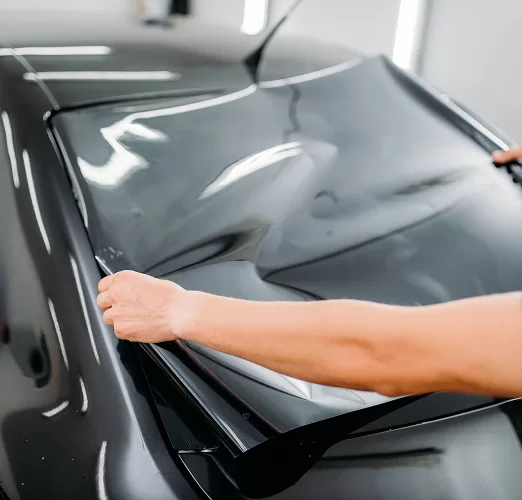
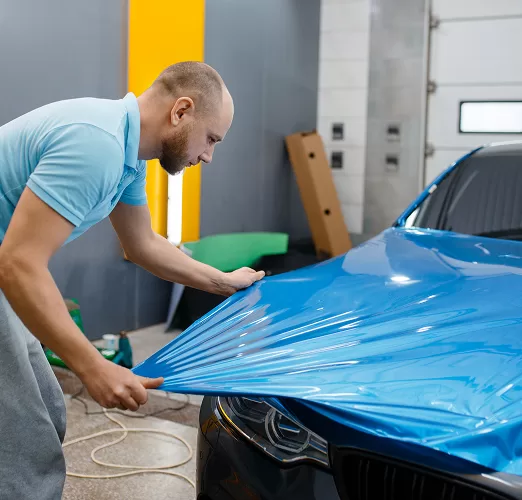
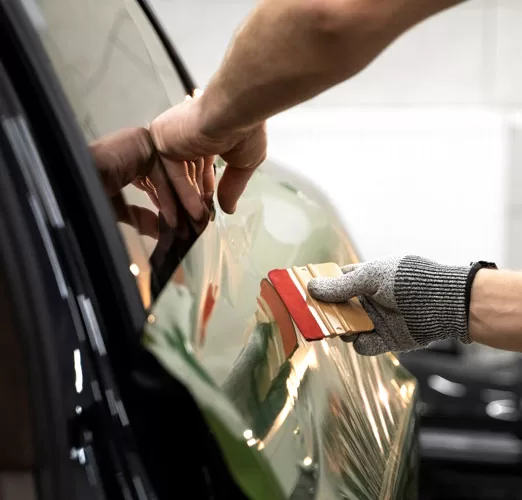
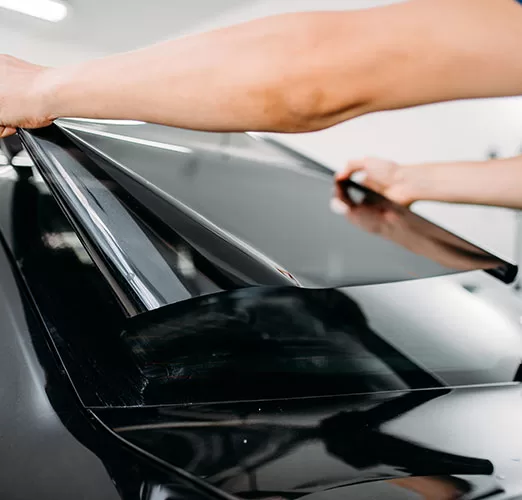
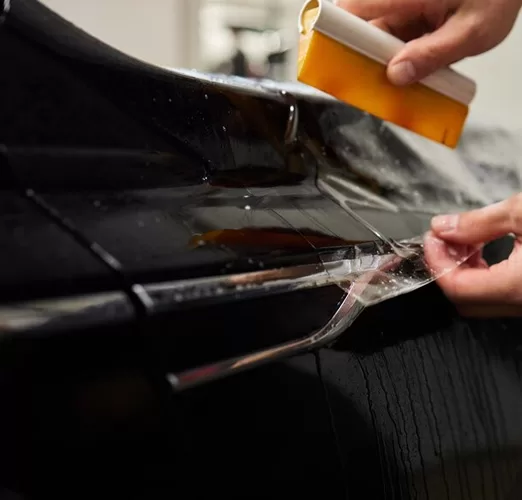
Film application is a craft. Both material specification and installation precision are critical; poor installation often causes early failures, including bubbling, edge lifting, and adhesion breakdown before the first UAE summer ends. The installer matters as much as the product.
Why Technical Experience With Film Matters More Than a Low Price
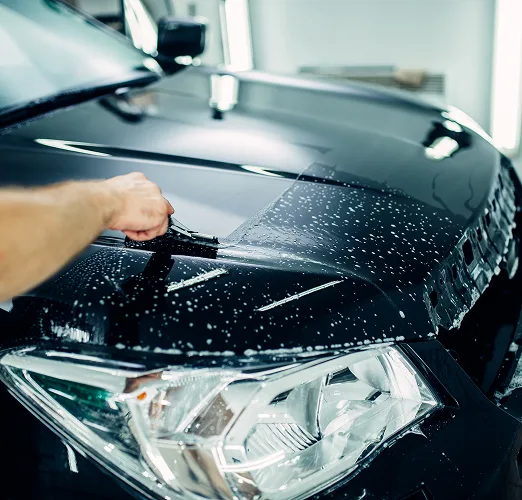
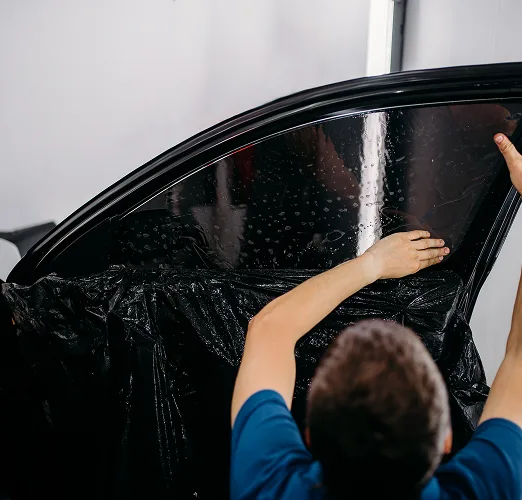
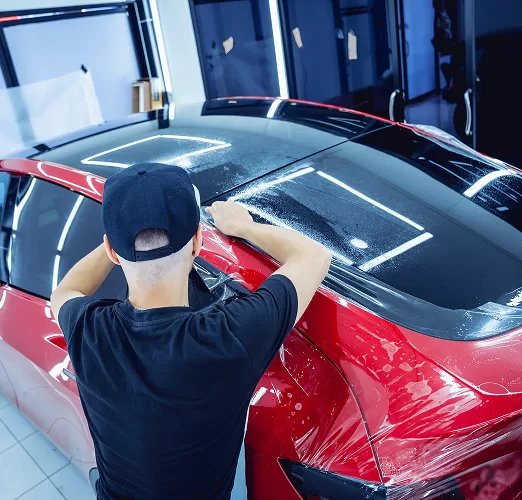
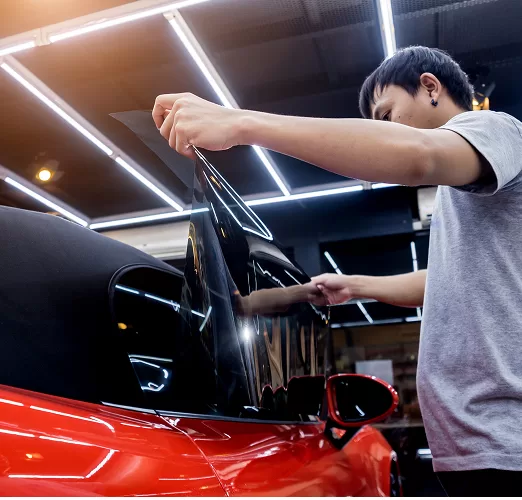
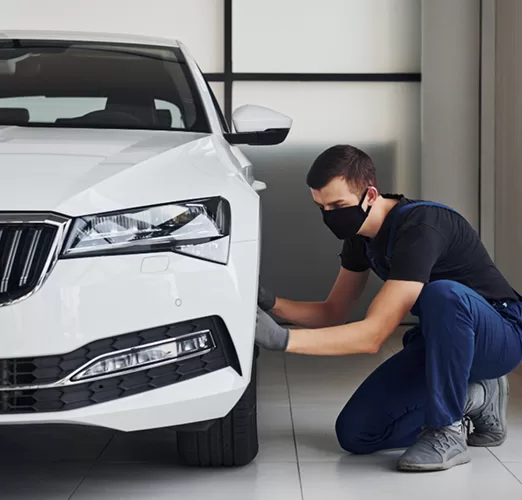
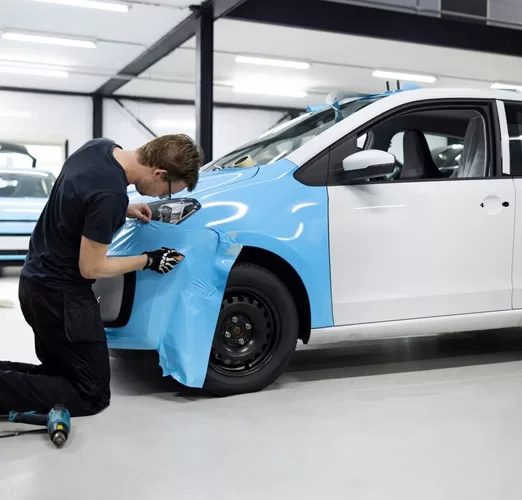
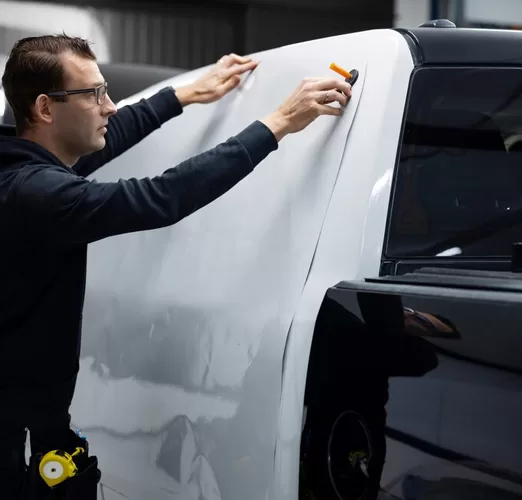
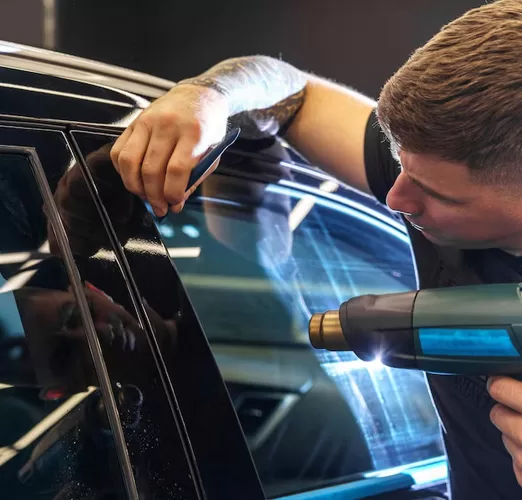
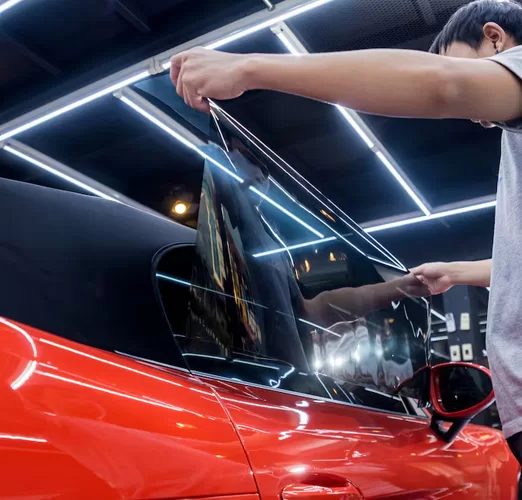
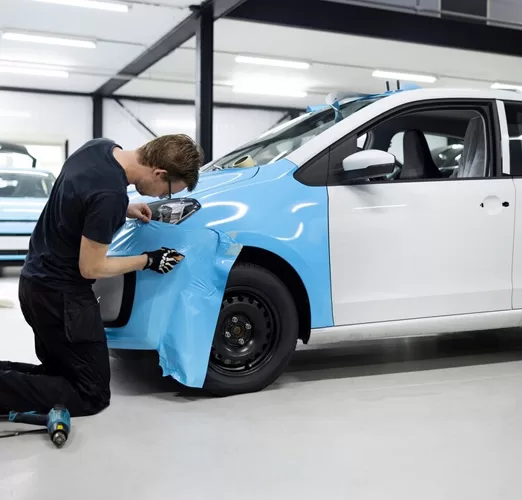
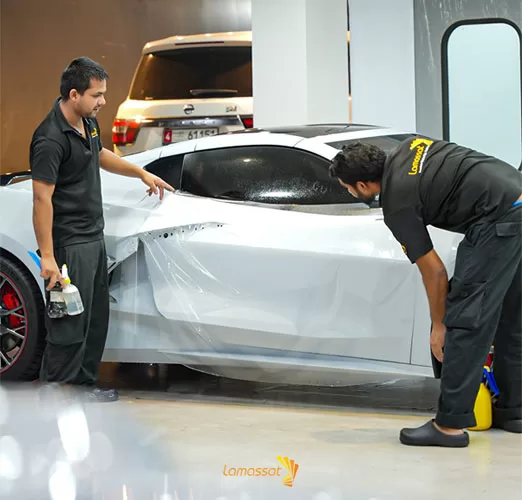
Companies that have spent years applying precision film to high-stakes surfaces carry that same standard into residential work. Lamassat Car Care Center, with over 20 years of film application experience across luxury and sports vehicles in Abu Dhabi and Al Ain, applies those installation standards to residential window film as well. The skills involved in managing adhesion, surface preparation, and material behavior at the edges and corners of large architectural glass panels transfer directly from automotive film work. Both disciplines demand the same tolerance for error at edges, corners, and adhesion lines.
For homeowners who want their car and home handled by a single trusted specialist, that continuity of standard matters. Lamassat offers residential window film consultations backed by a consistent, warranty-supported approach that has built its reputation across Abu Dhabi and Al Ain. Contact the Lamassat team to arrange a site assessment before committing to a film type or product.
Frequently Asked Questions About Home Window Tinting in Abu Dhabi
No. In the UAE, applying film to windows that form part of the building façade typically requires written consent from the landlord and, in many cases, building management or the owners’ association. Get written approval before installation to avoid disputes, forced removal costs, or deposit deductions at the end of your tenancy.
Some films can increase thermal stress in double-pane units if incorrectly specified. A professional installer will assess your glass type before recommending a film and confirm compatibility in writing. If an installer skips this step, that alone is sufficient reason to look elsewhere. Low-absorption ceramic or spectrally selective films are generally the safest choice for insulated glass units.
Quality films from established brands, installed professionally, typically carry 10, 15 year manufacturer warranties. Ceramic films perform particularly well in high-UV, high-heat environments and resist fading and degradation throughout that warranty period, without the metallic-layer oxidation that can affect older film technologies.
Many Abu Dhabi residential communities require prior approval for any visible exterior change. Submit the film’s VLT percentage, exterior reflectance percentage, color, and a physical sample to your community management before booking installation. For communities like Al Reem Island towers, building management may also require a method statement, an installer trade license, and confirmation that no drilling or frame alteration is involved.
Making the Right Decision for Your Home
The right home window tinting solution depends on orientation, room function, privacy needs, and budget, not on a single product recommendation that works for every situation. The selection logic is straightforward: solar control or ceramic film for heat-exposed rooms, frosted film for privacy without sacrificing daylight, blackout film for rooms that need complete darkness, and security film where glass safety is the primary concern. Combining film types across different rooms is common and delivers a tailored result rather than a compromise.
Professional installation from a verified, warranty-backed specialist is what separates a film that performs well for a decade from one that bubbles and peels before the first UAE summer ends. The film brand matters, but so do the precision of the application, the compatibility assessment of your glass, and the enforceability of the warranty that comes with it. None of those things come from the cheapest quote.
If you are in Abu Dhabi or Al Ain and want an honest assessment of your home’s glazing, contact Lamassat Car Care Center to start your home window tinting assessment. Their team will evaluate your glass type, confirm film compatibility, and recommend the right product for each room, not a blanket solution applied everywhere.