How Car Wrapping Works: Process, Materials, and What to Expect
When you see a car on the road in an unusual colour or finish that the manufacturer never offered, it is often because the owner had it wrapped. It has become a practical way for people to change how their vehicles look without committing to anything permanent. In the UAE, where personalising cars is common, it is a popular choice for drivers, especially those exploring car wrapping in Abu Dhabi. If you are not familiar with how it works or what the process involves, here is a simple overview.
What Car Wrapping Actually Is
A car wrap is a vinyl film that’s on top of the painted panels of the vehicle. The paint underneath stays untouched, while the wrap gives the car a different colour, texture or finish. Wraps come in a wide range of styles, including gloss, matte, and metallic. When installed well, the wrap sits smoothly on the surface, and many people mistake it for actual paint.
Drivers often choose wrapping because it changes the look of the car without the drawbacks of repainting. Repainting takes more time, can lower the resale value and permanently replaces the factory finish. A wrap avoids all of that, protects the paint while it’s on the car and can be removed whenever you want to go back to the original colour.
The Materials Behind a Professional Wrap
The result of a wrap depends a lot on the materials used. Automotive vinyl made for wrapping has to bend over curves and edges while still holding up to heat, sunlight and outdoor conditions.
A typical wrap uses a few key layers.
Premium Automotive Vinyl
This is the main film applied to the car. Quality vinyl can stretch around corners, keep its colour for a long time and stay flexible without cracking. It also lays down cleanly, so the edges look tidy and the finish appears even across the panels.
Pressure Sensitive Adhesive Layer
This layer helps the film stick to the paint safely. It also lets installers lift and adjust the film during application until everything lines up the way it should.
Protective Top Coat
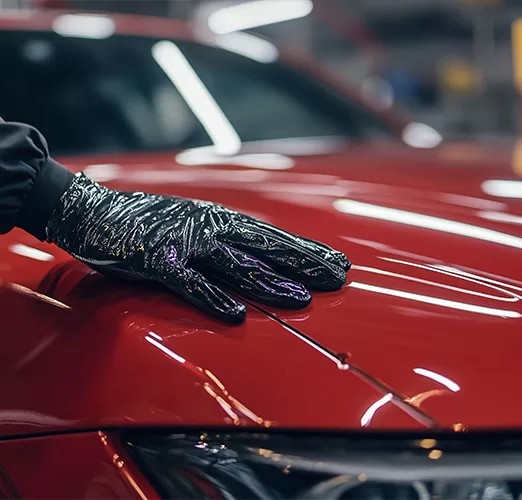
The final layer adds light scratch resistance and helps protect the wrap from the sun and dust. Depending on the chosen style, it keeps the surface looking glossy or matte.
Modern wrap films are built with far more durability and engineering than simple decorative stickers. They are made to handle outdoor use and stay stable over time.
Here’s Why Abu Dhabi Demands Car Wraps
Understanding the benefits can help you decide.
| Benefit | What It Offers | Why It Helps | Result |
| Full transformation | Change colour and finish easily | No sanding or repainting needed | New look without permanence |
| Paint protection | Vinyl shields the surface | Helps reduce scratches and fading | Better paint condition over time |
| Cost effective customisation | More affordable than repainting | Gives a premium look for less | Stylish upgrade on a budget |
| Resale friendly | Wrap can be removed cleanly | Original paint stays intact | Higher appeal to buyers |
Prepping for The Wrap
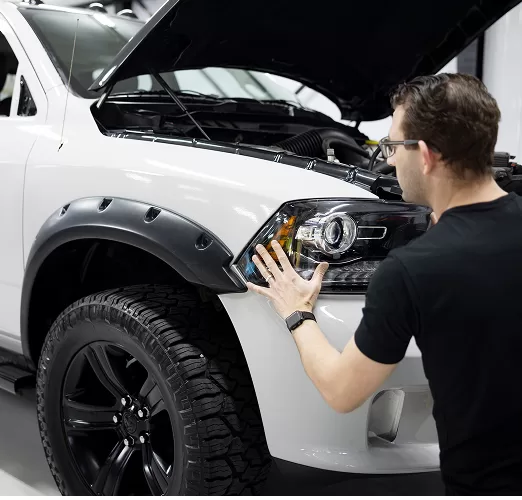
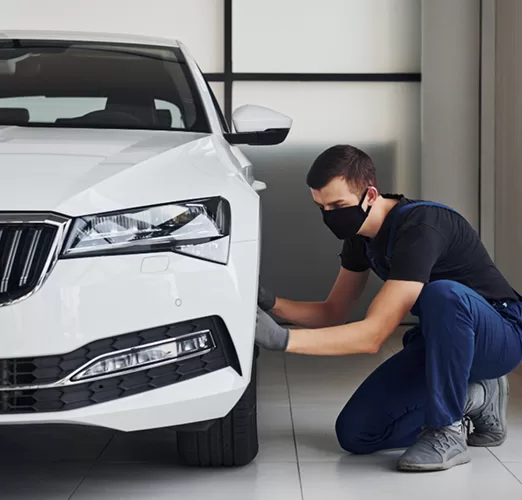
Most people see short wrapping videos online and think the whole job takes an hour. Anyone who works with vinyl every day will tell you that most of the effort starts before the wrap even goes on. The first thing the experts at the Lamassat Car Care Center do is look over the car properly. Not a glance, but a real check. They look for peeling clear coat or check if any panels have been repaired before.
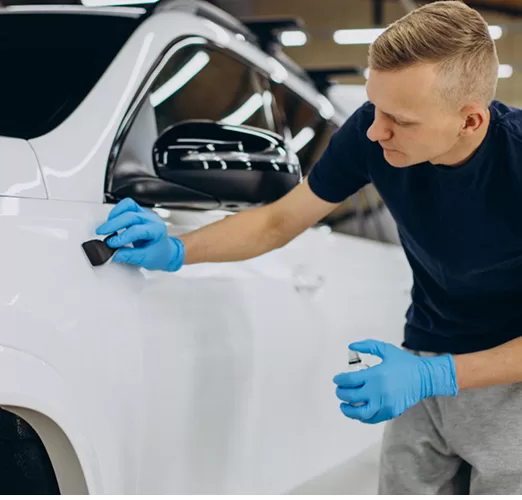
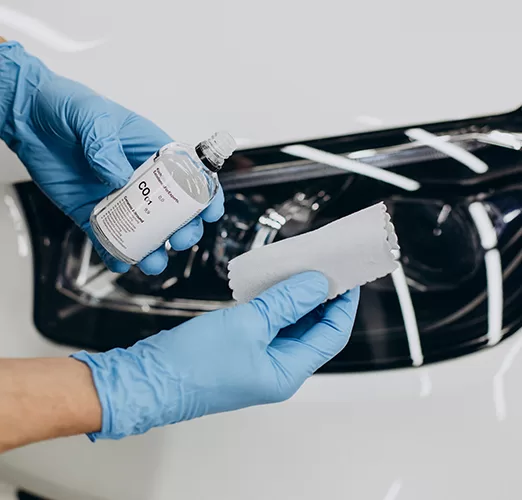
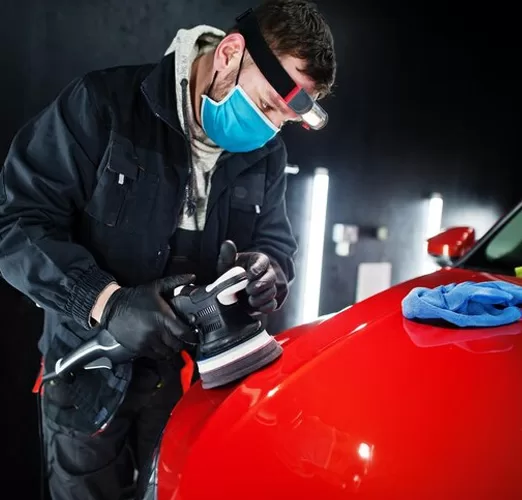
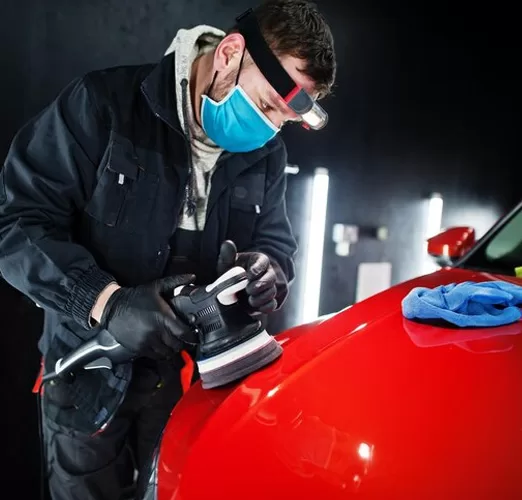
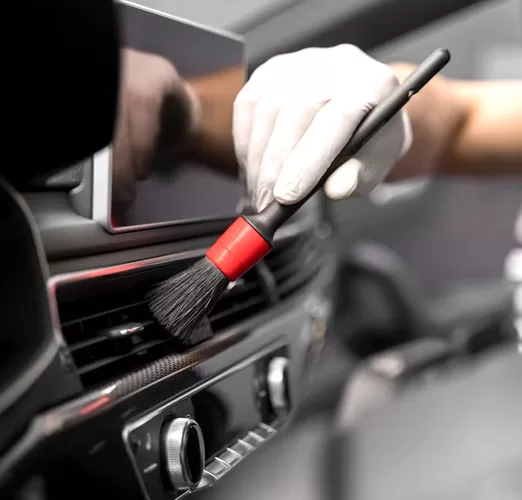
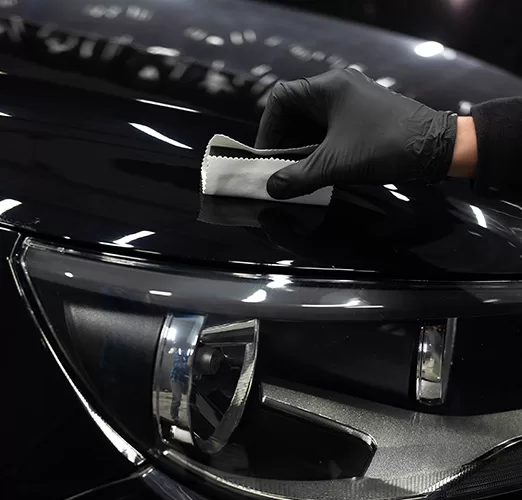
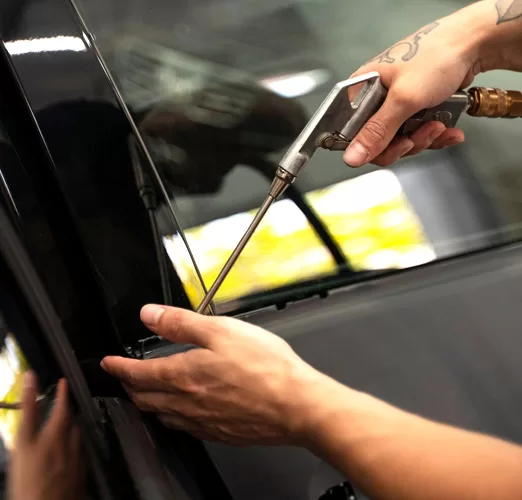
Vinyl hates damaged paint, so if something is flaking or rough, it needs to be fixed or at least noted before the process begins. Once the technicians have completed the checkup, the cleaning starts. And this is the part most people underestimate. A regular car wash is not enough. It is important to get rid of wax, old polish, road film, oil, dust, everything. Even one tiny grain of sand can create a bubble later.
They carefully remove small attachments and fixtures on the car, too. Things that get in the way, like badges, trim pieces or handles, need to be removed. It makes a huge difference in how clean the final wrap looks. Trying to tuck vinyl around these parts without removing them is what causes most amateur wraps to peel at the edges.
How the Car Wrapping Process Really Works
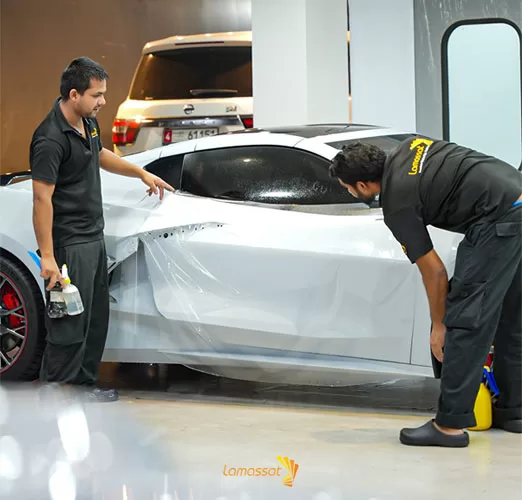
Only after all the prep work is done is the time to start cutting the vinyl. The experts measure each panel and cut a piece slightly larger than needed. Too small and the film will stretch too much. Too big and you waste material. Getting this right comes from experience, not from templates or charts online.
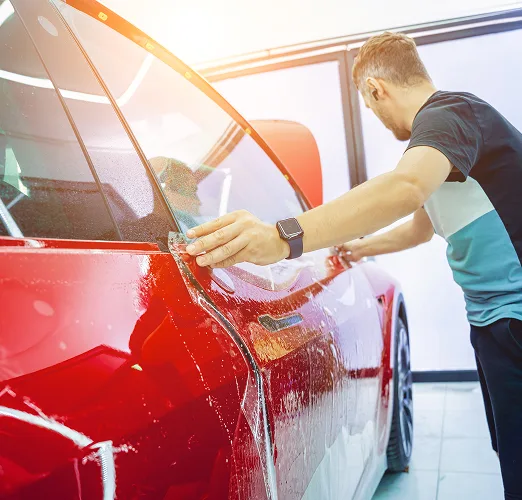
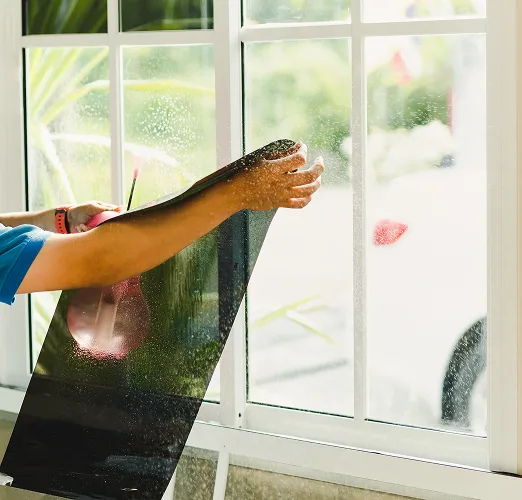
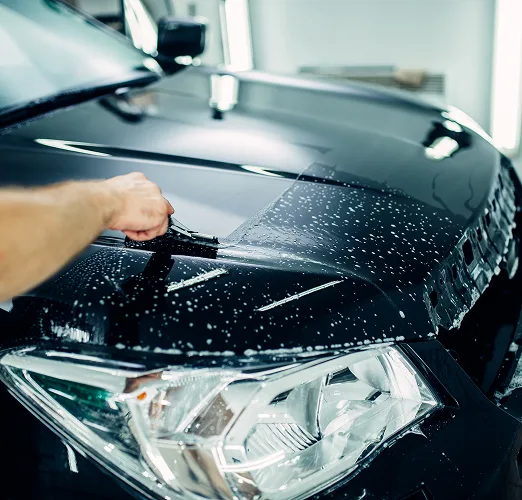
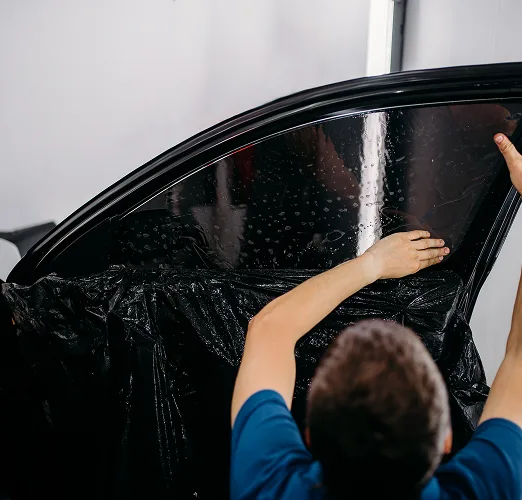
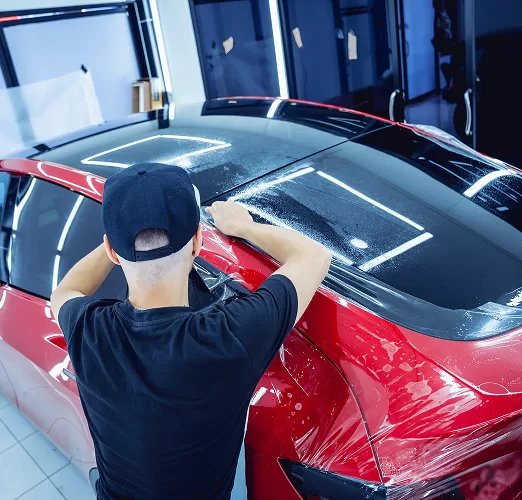
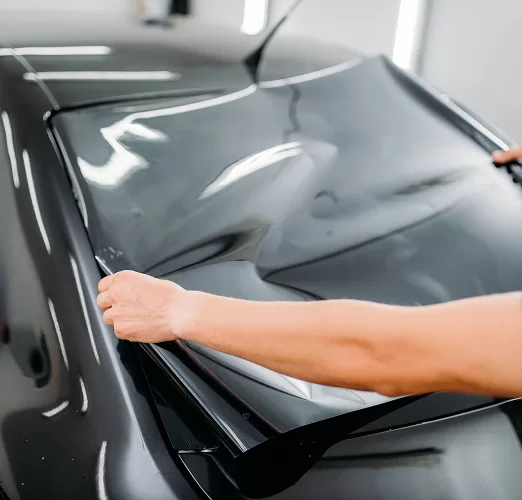
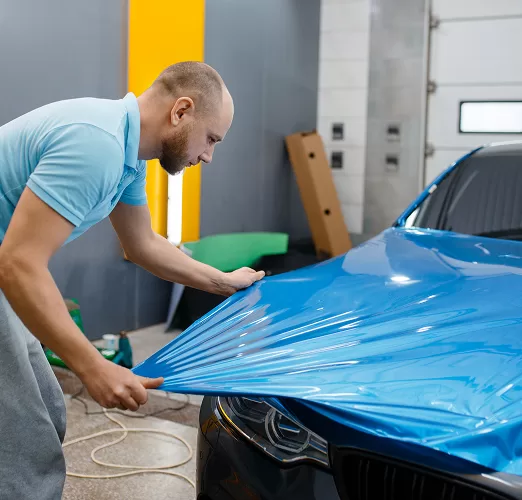
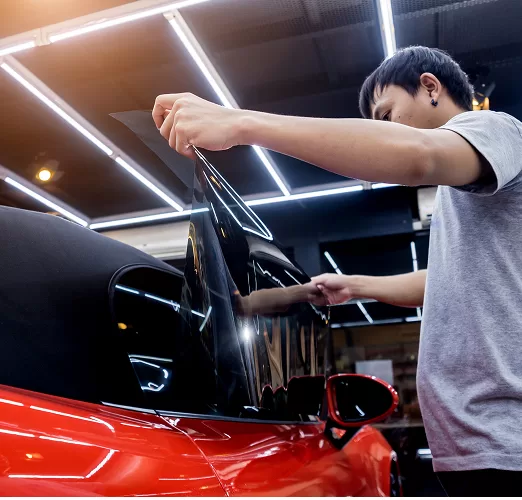
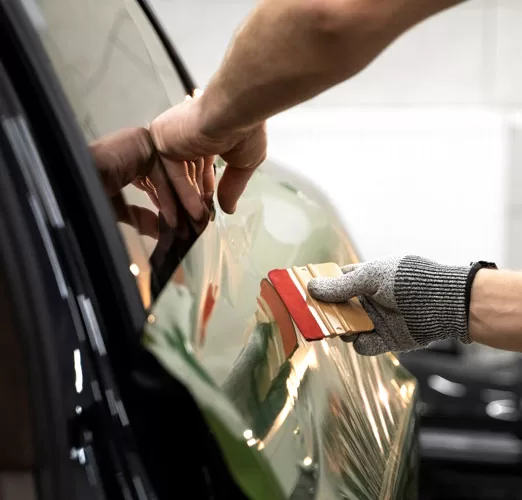
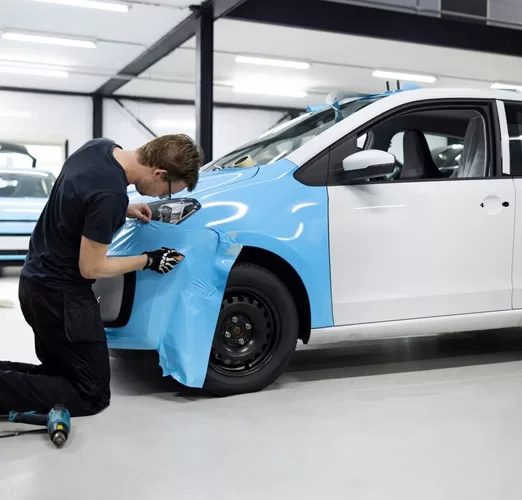
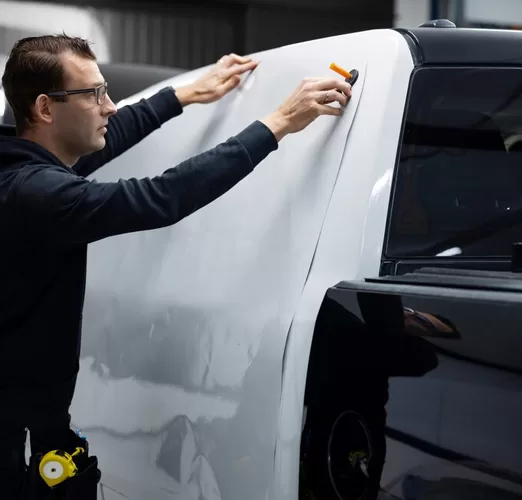
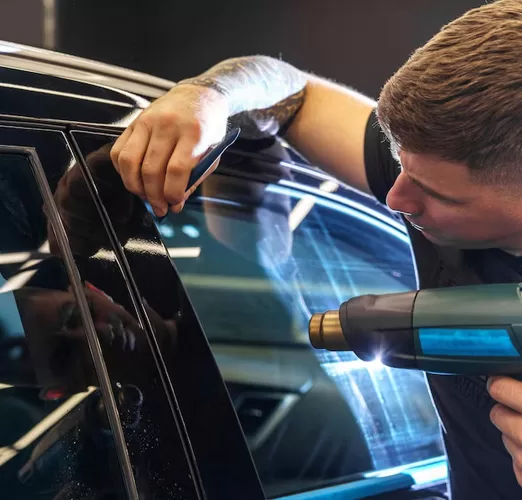
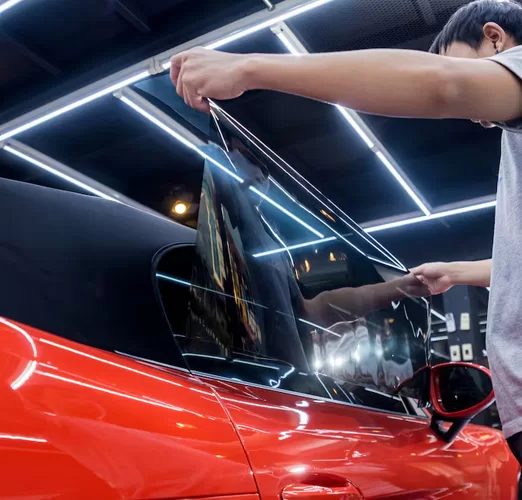
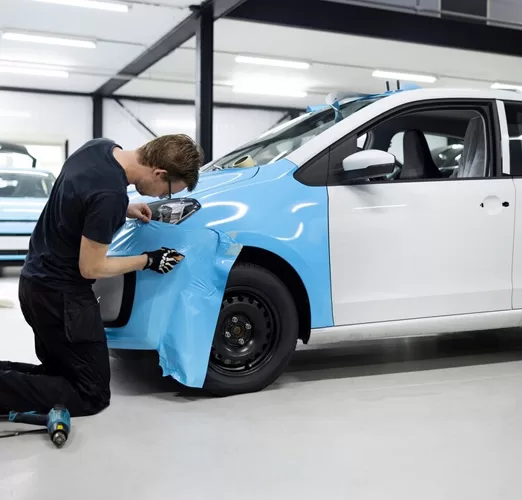
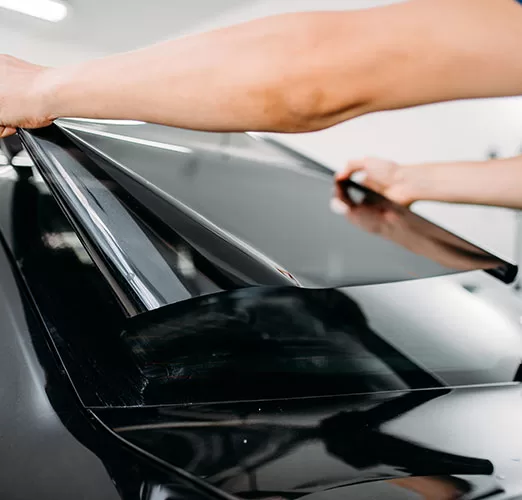
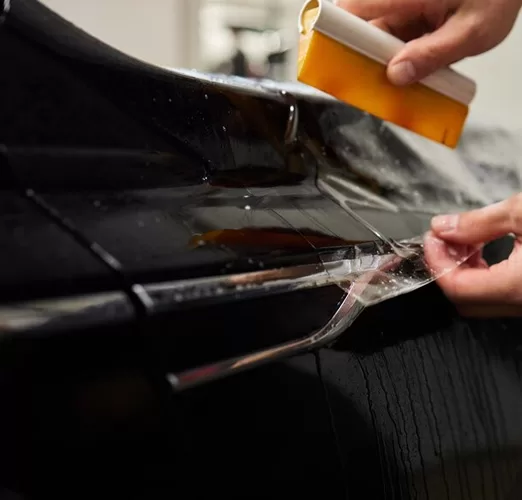
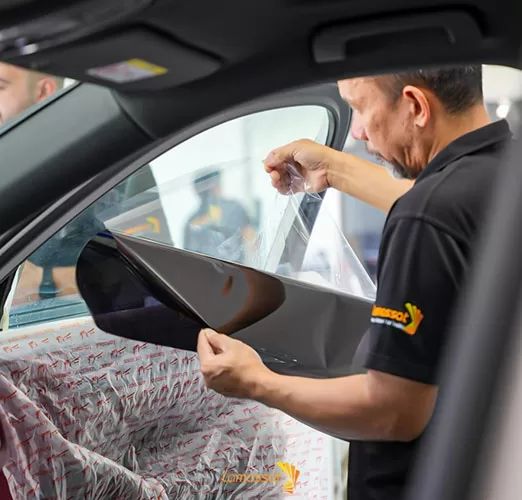
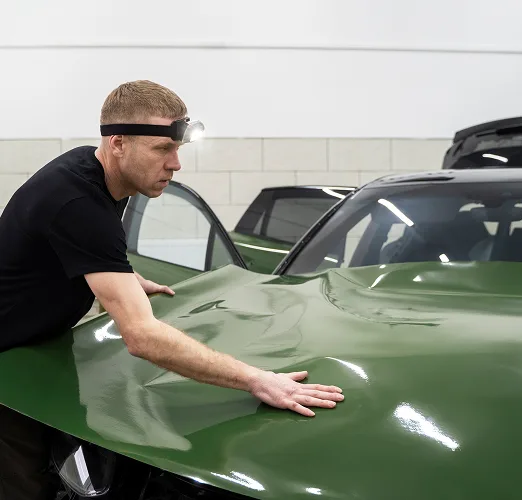
Applying the vinyl is the part people like to watch, but it is slower than it looks. You lay the film down gently, warm it just enough to make it flexible, and work it little by little. Corners and curves take patience. If you rush them, the wrap will eventually lift.
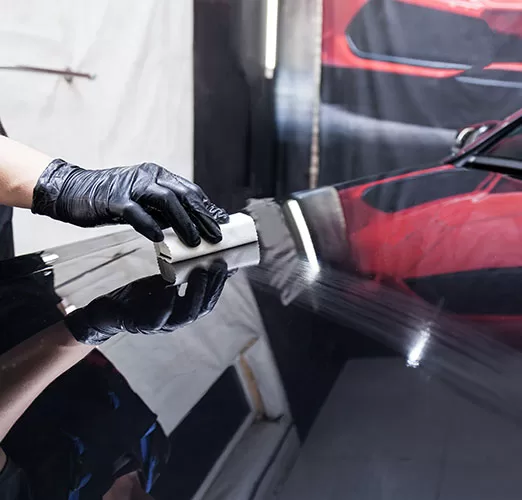
After the whole car is wrapped, the film is heated again. Not to melt it, just enough to help it settle and grip the paint. This step is important, especially where the vinyl was stretched. That is what the wrapping process really looks like when you do it in a workshop. It is slow, careful work, and most of the finish depends on the preparation.
Final Thoughts
Car wrapping is more than a cosmetic upgrade. It is a clever, protective, and fully reversible way to transform your vehicle. For those seeking reliable craftsmanship, quality materials, and expert installation, Lamassat car care center remains a trusted name for professional wrapping services in the UAE.
Explore the other services, Nano Ceramic Coating, Car Care Abu Dhabi, and PPF Car Protection